The Price of Playing It Safe: Why Your Riskiest Work Is the Only Work That Lasts
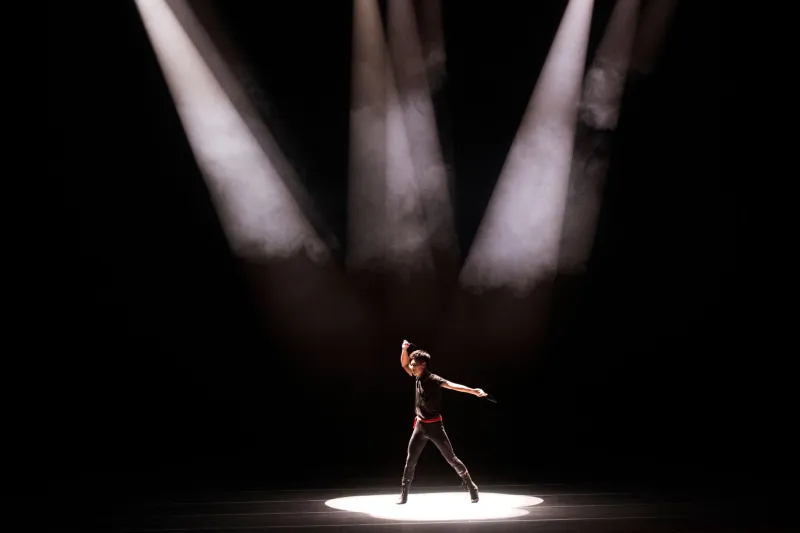
There's a version of a creative career that looks really good on paper. Steady work. Decent engagement. Nobody mad at you in the comments. You hit publish, you move on, you repeat the cycle. It's comfortable. It's also, if we're being honest, a slow fade into irrelevance.
Because here's the thing nobody really wants to say out loud: the work that gets remembered is almost never the work that was designed to be safe.
The Math Nobody Teaches You in Art School
When you're starting out, the instinct is to manage perception carefully. You want to be liked. You want to be hireable. You want to avoid the kind of controversy that follows you around like a bad Yelp review. That instinct makes sense — reputation feels fragile when you're still building it.
But there's a paradox buried inside that logic. The more you optimize for universal approval, the more generic your output becomes. And generic doesn't get remembered. Generic gets scrolled past. Generic fills the background of someone's Tuesday afternoon without leaving a single impression.
The artists who break through — the ones who actually build something that lasts — almost always have a moment in their timeline where they made a call that was genuinely risky. Not reckless. Not offensive for its own sake. But risky in the sense that it cost them something real: a client relationship, a fanbase segment, a comfortable reputation they'd spent years building.
And that cost? It turned out to be the price of admission for a career that actually meant something.
What We Actually Mean by "Controversial"
Let's be precise here, because the word "controversial" gets thrown around carelessly. I'm not talking about manufactured drama or provocation for clicks. That's just noise, and audiences are too smart to fall for it long-term.
What I'm talking about is the work that takes a stand. The essay that says something specific and true even when the specific and true thing makes some people uncomfortable. The project that commits fully to a vision even when that vision alienates part of your existing audience. The public statement that risks a professional relationship because staying silent would require you to compromise something you actually believe.
Think about how many of the most respected creative voices in the US right now built their credibility on exactly this kind of moment. Journalists who published pieces that cost them access. Designers who turned down high-profile clients over ethical disagreements and talked about it openly. Filmmakers who made the movie they believed in instead of the one the studio wanted, then watched it become a cult touchstone years later.
The pattern is almost embarrassingly consistent once you start looking for it.
Reputation Isn't What You Protect — It's What You Build
Here's where I think a lot of creative professionals get the calculus wrong. We treat reputation like a savings account — something to be protected, grown slowly, never touched. Every controversial move feels like a withdrawal, a risk of losing what we've accumulated.
But reputation doesn't actually work that way. It's less like a savings account and more like a story. And stories need conflict to be worth telling.
When someone takes a genuine stand — when they make work that reflects a real conviction even at professional cost — it adds dimension to who they are. It makes them legible as a person, not just a service provider or a content creator. And that legibility? That's what builds the kind of trust that sustains a career over decades instead of just a few good years.
The people who play it safe, who sand down every edge and soften every statement, end up with reputations that are technically unblemished and completely forgettable. Nobody talks about them. Nobody seeks them out specifically. They're fine. They're just fine.
The Psychological Weight of the Risk
None of this is easy, and I don't want to make it sound like it is. There's a real psychological cost to putting out work that you know is going to push back.
The anxiety before you hit publish on something genuinely risky is different from the normal pre-release nerves. It sits heavier. It's the specific dread of knowing that some portion of the people who read it or see it or hear it are going to think less of you — and that you're choosing to do it anyway.
What I've noticed, though, is that the dread is almost always disproportionate to the actual fallout. Not always — sometimes the backlash is real and you have to absorb it. But most of the time, the work lands, a segment of your audience responds with an intensity and loyalty you haven't seen before, and the people who disagree either move on quickly or turn out to be an audience you didn't actually need.
The aftermath of genuine risk is rarely as catastrophic as the fear beforehand suggests. And the aftermath of perpetual safety is rarely as comfortable as it looks.
So What Does This Actually Look Like in Practice?
I'm not suggesting you blow up your career on a whim or manufacture controversy for the sake of it. What I am suggesting is that you take inventory of the stands you haven't taken — the opinions you've softened, the projects you've watered down, the public positions you've avoided because the professional risk felt too high.
Some of those instincts are probably right. Not every hill is worth dying on, and not every belief needs to be broadcast.
But some of them? Some of those held-back convictions are exactly what your best work is waiting on. Some of those uncomfortable truths you've been sitting on are the thing that would make your audience actually trust you instead of just following you.
The reputation tax is real — there is a cost to doing work that means something. But the cost of never paying it is a career built on a foundation of careful nothing. And careful nothing doesn't hold up.
The work that lasts almost always started as the work someone was scared to make. That fear isn't a stop sign. It's usually just a signal that you're getting close to something true.